Guides
David Senra’s guests Abraham Lincolndepression · melancholy · despair
 Adam Foroughiprove customer economics · money · building
 Adam Neumannvision · mission · storytelling
 Alex Karpenterprise AI · company building · leadership
 Alexander Taubmancompound an existing business · growth · deciding
 Alexander the Greatleadership · courage · ambition
 Annie Dukedecision making · probability · poker
 Ari Emanuelroll the calls · selling · growth
 Benjamin Franklinself improvement · reinvention · career
 Bill Wilsonalcohol · drinking · alcoholism
 Bob Marleymusic · reggae · resilience
 Brad Jacobsmergers and acquisitions · roll ups · fragmented industries
 Brian Armstrongmission · crypto · regulation
- Buffett & Mungerinvesting · capital allocation · business
 C.S. Lewisgrief · loss · mourning
 Cal Newportdeep work · focus · productivity
 Carol Dweckmindset · growth · failure
 Charlie Mungerinvesting · mental models · inversion
 Dana Whiteown the content and story · marketing · growth
 Daniel Ekself knowledge · impact · founder archetypes
 David Baszuckienable participant creation · building · growth
 David Deutschknowledge · learning · science
 David Heinemeier Hanssondesign for independence · money · deciding
 David Senraentrepreneurship · obsession · self belief
 Derek Siversentrepreneurship · decision making · independence
 Doug Leonetest the founder conviction · deciding · risk
 Ed Catmullseparate candor from authority · leading · building
 Elon Muskengineering · speed · startups
 Eric Glymanmeasure customer savings · building · money
 Eric Jorgensonaudit the first principles story · thinking · deciding
 Evan Spiegelproduct · design · vision
 Gustav Söderströmtest what incumbents will not do · building · deciding
 Hermann Hessemeaning · seeking · solitude
 Ivanka Trumpchoose your own success criteria · meaning · deciding
 James Clearhabits · behavior change · identity
 James Dysoninvention · persistence · design
 Jason Friedcompete with your own costs · money · focus
 Jeff Bezoscustomers · long term · scale
 Jeff Zalaznickdesign for the return visit · building · marketing
 Jensen Huangchips · ai · hardware
 Jeremy Sternreport before opining · thinking · building
 Jimmy Iovinemarketing · music · taste
 John D. Rockefellermoney · wealth · discipline
 John Mackeyretail · differentiation · competitive strategy
 John Vervaekemeaning · wisdom · attention
 Jonathan Rosstest the technical wedge · building · starting
 Josh Kushnerstartup · founder · venture
 Lee Kuan Yewgovernance · nation building · pragmatism
 Luca Ferraribuild an operator edge · leading · growth
 Lucius Annaeus Senecastoicism · time · death
 Luigi Cornarohealth · habits · moderation
 Lulie Tanettdiscipline · motivation · coercion
 Lulu Cheng Meserveygo direct with evidence · marketing · selling
 Marc Andreessenstartups · venture capital · software
 Marcus Aureliusstoicism · discipline · adversity
 Maria Montessoriparenting · children · toddler
 Marie Curiescience · research · physics
 Mati Staniszewskiembed with the customer · building · starting
 Michael Dellfind the structural cost edge · building · money
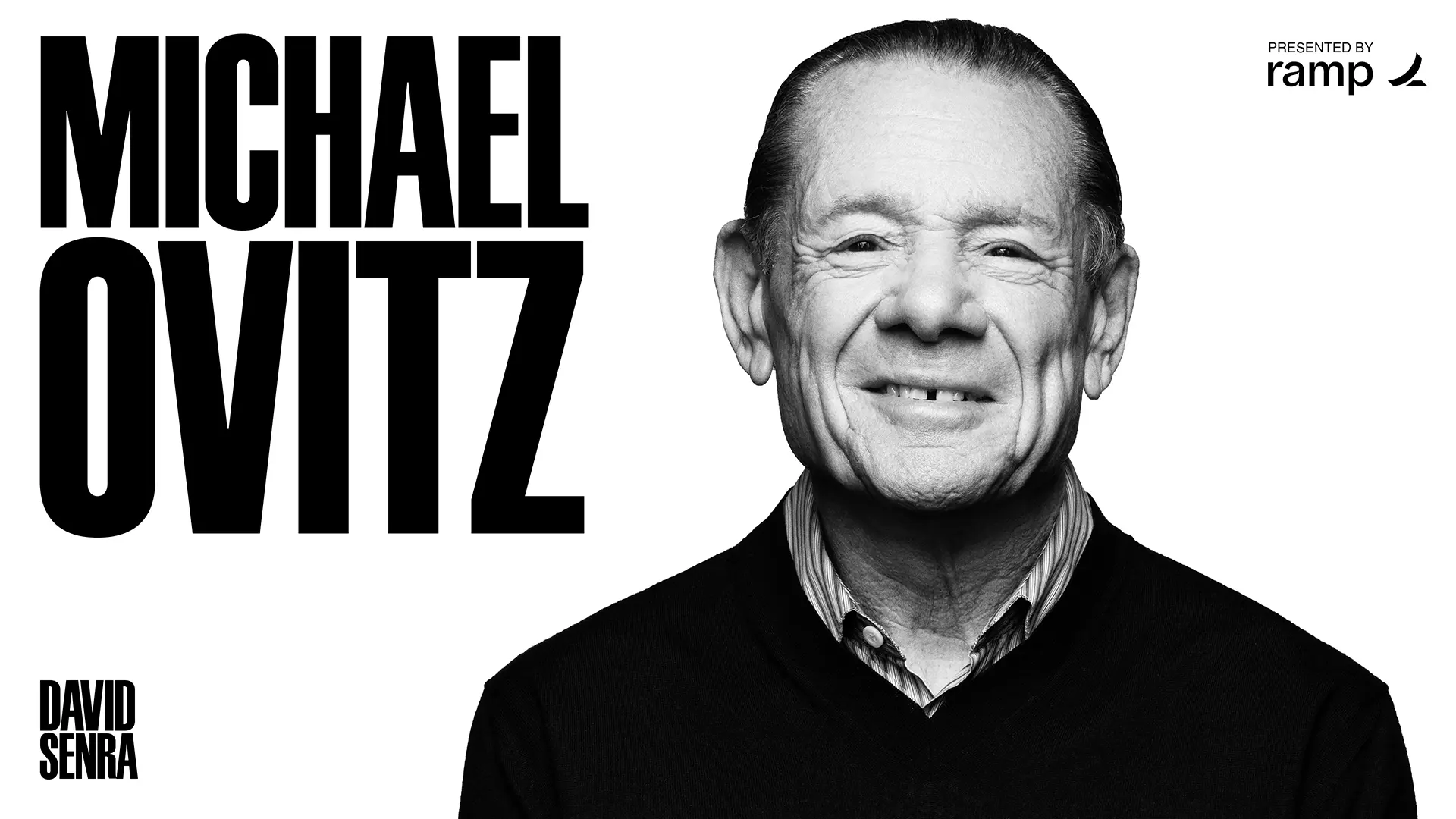 Michael Ovitzcompound your frame of reference · thinking · selling
 Micky Malkaplay the long relationship game · growth · selling
 Naoufal Fillalicareer · creator · side project
 Napoleon Hillsuccess · desire · persistence
 Nassim Nicholas Talebrisk · uncertainty · antifragility
 Naval Ravikantwealth · leverage · specific knowledge
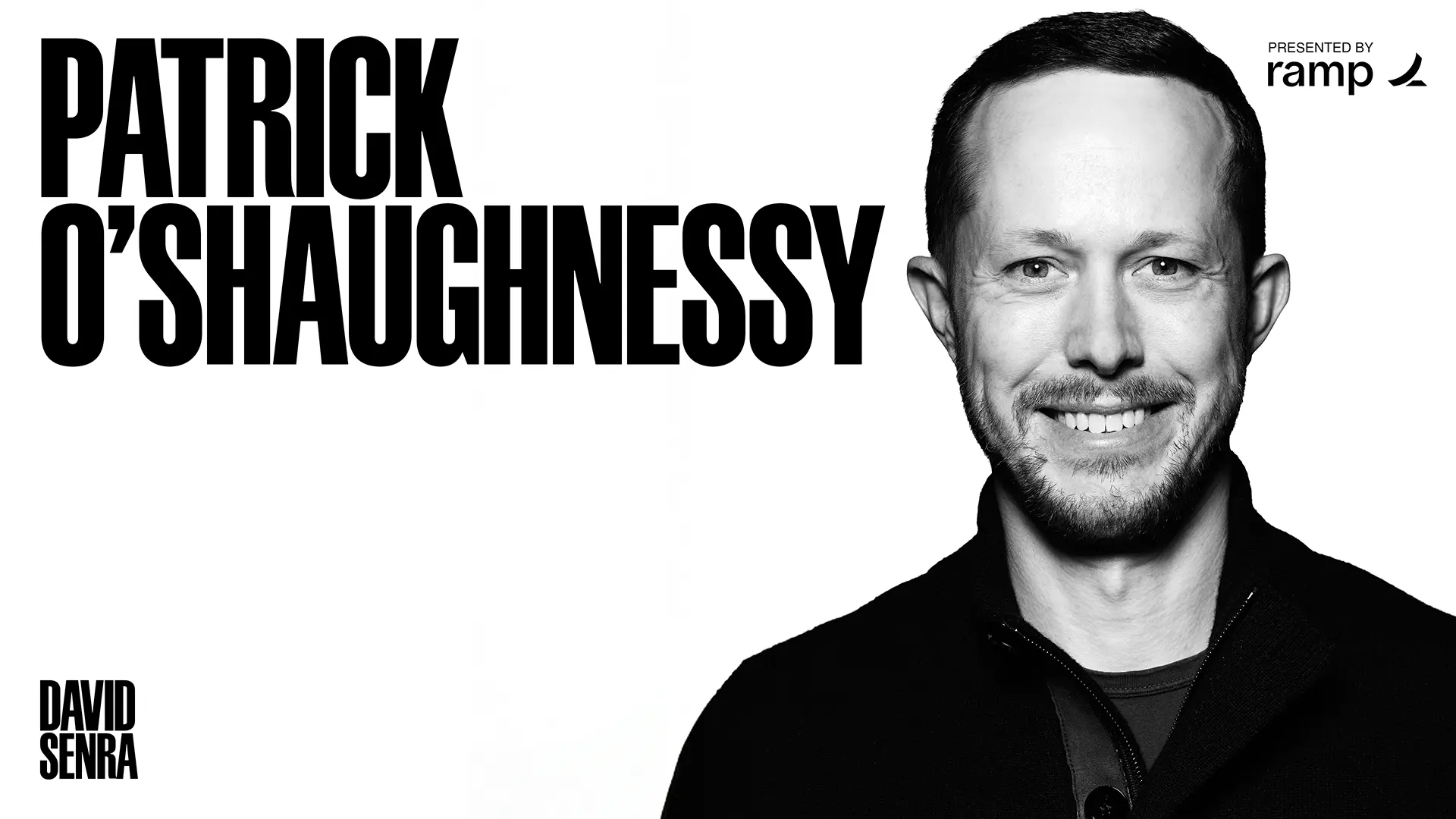 Patrick O'Shaughnessyback talent before consensus · leading · deciding
 Paul Grahamstartups · product · users
 Paul Millerdcareer · identity · work
 Pendleton Wardcreativity · animation · storytelling
 Peter Rahalprotect the brand from bureaucracy · building · growth
 Peter Thielmonopoly · contrarian thinking · startups
 Ray Daliodecisions · principles · mistakes
 Rick Rubincreativity · music · production
 Ricky Gervaiscomedy · stand up · comedy writing
 Ronnie Fiegbuild from lived taste · building · marketing
 Rose Blumkinretail · business · pricing
 Sam Altmantest a non consensus bet · starting · deciding
 Sam Waltonretail · customers · pricing
 Scott Wuconcentrate the first principles bet · focus · building
 Steve Jobsproduct · design · taste
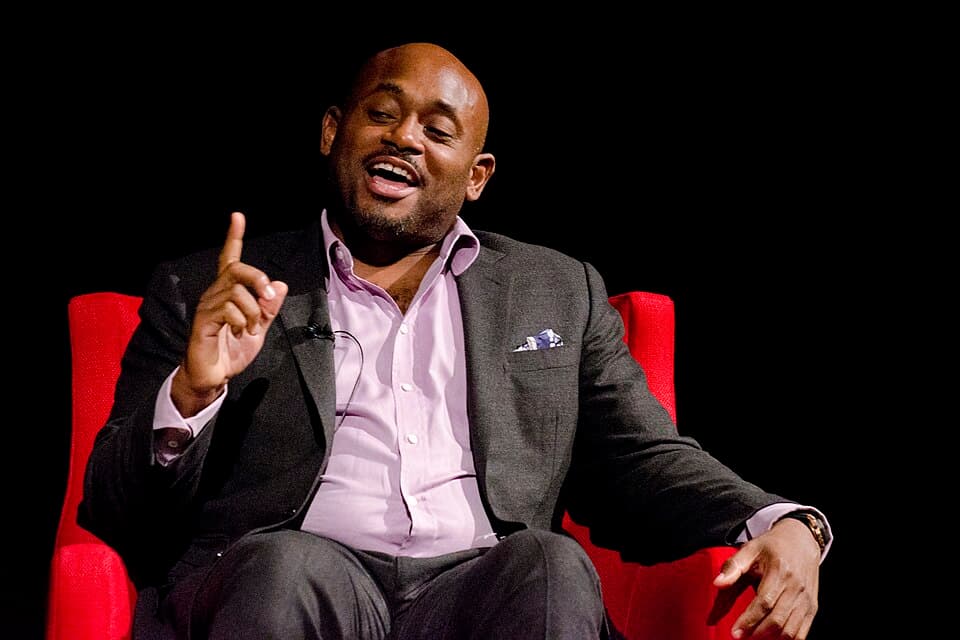 Steve Stoutegive creators customer ownership · marketing · growth
 Steven Pressfieldcreative work · procrastination · discipline
 Strauss Zelnickserve the creative talent · leading · building
 The Gottmansrelationships · marriage · communication
 Tim Ferrissexperimentation · productivity · fear
 Tobi Lütkeentrepreneurship · company building · product
 Todd Gravesfocus · ownership · restaurants
 Tony Xufind the data you cannot see · building · thinking
 Torsten Reilmap the manufacturing bottleneck · building · growth
 Travis Kalanickturn obsession into a process · building · leading
 Visakan Veerasamywriting in public · self esteem · creativity
 Vivek Murthyloneliness · lonely · isolation
 Warren Buffettinvesting · capital allocation · business
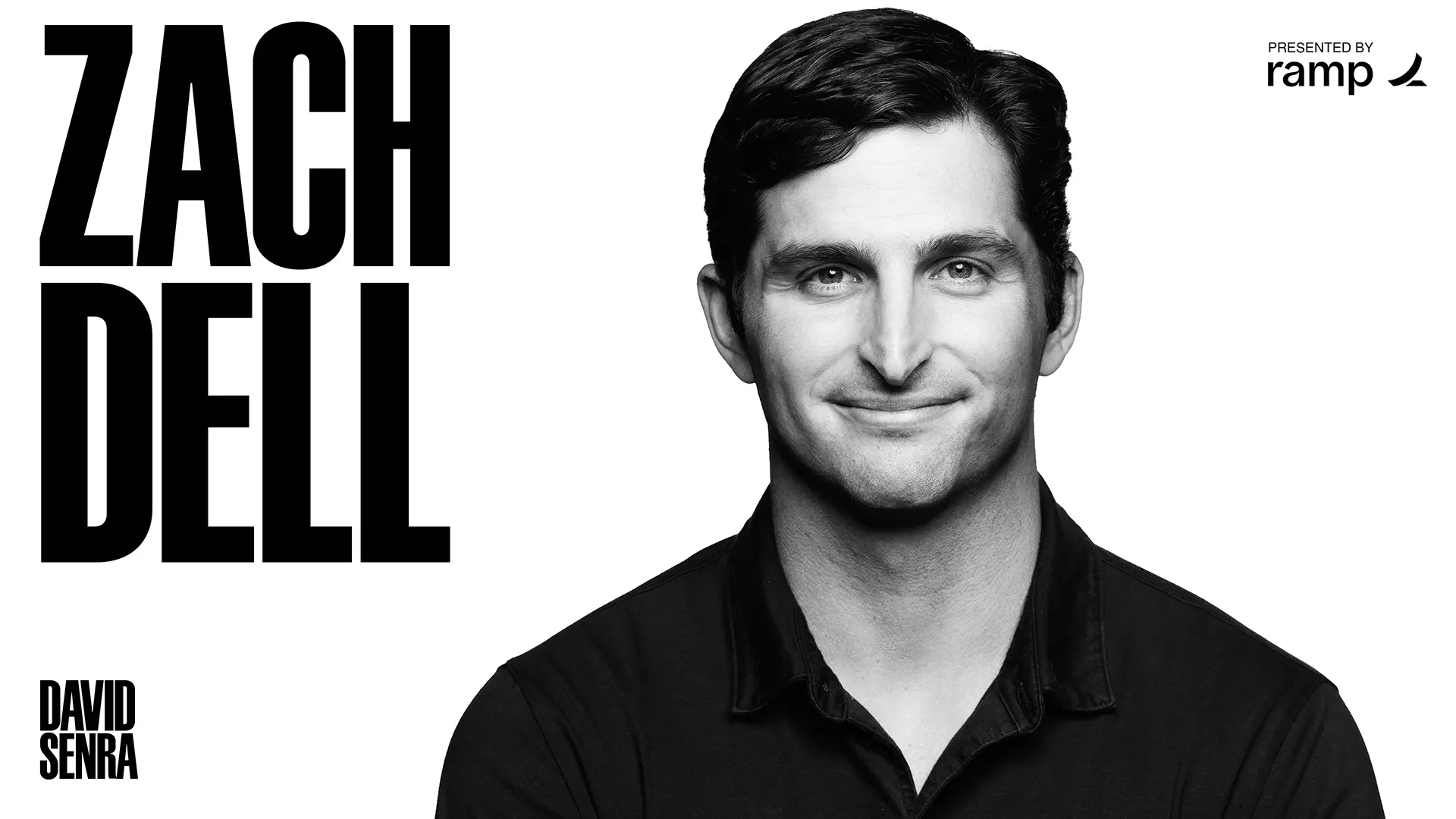 Zach Dellresolve the growth constraint · building · growth
- Anything You WantForty short lessons from founding and selling CD Baby: business as accidental problem solving, ideas as a multiplier of execution rather than a substitute for it, and staying small and controlled on purpose rather than chasing growth.
- Atomic HabitsA practical guide to building good habits and breaking bad ones through the Four Laws of Behavior Change: make it obvious, make it attractive, make it easy, make it satisfying, built on the claim that habits are the compound interest of self improvement.
- Berkshire Hathaway Shareholder Letters, 1977-2024warren buffett · owner earnings · circle of competence
- Deep WorkA case for distraction free, cognitively demanding work as an increasingly rare and valuable skill, distinguishing deep work from shallow, logistical busywork and laying out rules for cultivating it in a fragmented attention economy.
- Elon Musk: Tesla, SpaceX, and the Quest for a Fantastic FutureThe earlier biography. Best on Musk's South African childhood, Zip2, PayPal, and the SpaceX startup years before Falcon 1 reached orbit.
- Fooled by Randomnessalternative histories · count the monkeys · match the observation window
- Friendly Ambitious NerdA self compiled, self published collection of Veerasamy's best essays and threads from over a decade of writing, naming and defending the identity of the title: smart, striving, a little awkward, and allowed to want things in public.
- From Third World to First: The Singapore Story 1965-2000pragmatist test · incorruptibility
- Hell Yeah or NoThe expansion of a 2009 essay into a full decision filter: if it is not a hell yeah, it is a no. Argues most overcommitment comes from saying yes to too many medium options out of fear rather than genuine desire.
- How to LiveTwenty seven short chapters, each fully convinced of a different and often contradictory way to live. Independence and commitment, mastery and always staying a beginner, are each argued completely on their own terms rather than resolved into one rule.
- It's Time to Buildits time to build
- Letters from a Stoic (Epistulae Morales ad Lucilium)letters from a stoic
- Life of Alexanderlead from front
- Meditationsdichotomy of control · view from above · memento mori
- Mindset: The New Psychology of SuccessA Stanford psychologist's research based case for the distinction between a fixed mindset, believing ability is a static trait, and a growth mindset, believing ability develops through effort and strategy, and how that belief shapes achievement.
- On Anger (De Ira)on anger
- On the Shortness of Life (De Brevitate Vitae)on the shortness of life
- Paul Graham: Selected Essayspaul graham · do things that dont scale · default alive
- Pendleton Ward: Selected Public Interviewscreative play · practice kindness
- Poor Charlie's Almanackcharlie munger · invert the problem · incentive audit
- PrinciplesDalio's original free PDF, the direct precursor to Principles: Life and Work. Three parts: why principles matter, his most fundamental life principles, and his management principles as lived out at Bridgewater, roughly 200 principles covering culture, hiring, and decision-making.
- Principles for Dealing with the Changing World OrderDalio's framework for reading empires rising and falling through a repeating Big Cycle of money, credit, debt, and power, tested against the Dutch, British, American, and Chinese empires. This source is Dalio's own free chart-and-table companion PDF, not the prose edition, so the grounding here draws on real frameworks, historical timelines, and data tables rather than extended narrative.
- Reason Is Fun: Selected EssaysA curated set of essays from Lulie Tanett's blog, lulie.co.uk, working in the Popper/Deutsch tradition of fallibilist epistemology applied to personal life: why discipline is usually internal conflict, why coercion (including self-coercion) can't manufacture new thoughts, how knowledge actually grows, and her open research questions.
- SiddharthaA Brahman's son leaves everything arranged for him, tries asceticism, meets the Buddha and refuses to follow him, falls into wealth and self-disgust, and finally learns to listen to a river. Its argument is that wisdom cannot be transmitted, only arrived at, and that the ruin on the way was not a detour.
- Skin in the Gameportfolio not opinion · minority rule · intellectual yet idiot
- Steve JobsIsaacson's authorized biography, based on more than forty interviews with Jobs over two years plus interviews with over a hundred family members, friends, adversaries, and colleagues. The definitive account of the garage founding, the 1985 ouster, the NeXT and Pixar wilderness years, the 1997 return and turnaround, and the product decisions behind the iMac, iPod, iPhone, and iPad, in Jobs's own words as well as those who worked with him.
- Tao Te ChingEighty-one short chapters traditionally split into the Tao Ching and the Teh Ching, teaching government and self-cultivation by yielding, emptiness, and non-action (wu wei). This is James Legge's 1891 scholarly translation, the widely cited public-domain edition. Authorship is traditionally credited to Lao Tzu, a semi-legendary figure with no settled historical record, so this source is registered as a text to chat with directly, not a guide.
- The Autobiography of Benjamin Franklinthirteen virtues
- The Beginning of Infinityjump to universality · replicator interest · spot bad philosophy
- The Bible: Wisdom & TeachingA scoped selection from the King James Version covering the Bible's advice-oriented core: Proverbs (aphorisms on speech, wealth, discipline, and character), Ecclesiastes (a sustained meditation on mortality and meaning), a selection of wisdom and reflection Psalms, and the Sermon on the Mount (Matthew 5-7). Not the full 66-book canon, this is the material people actually turn to for guidance, digested as a text to chat with directly rather than through any persona.
- The Black Swanblack swan triplet test · mediocristan extremistan map · turkey problem
- The Book of ElonJorgenson's anthology of Musk's own words: interviews, transcripts, talks. Same compiler as The Almanack of Naval Ravikant. Pending ingestion: drop the PDF in sources/elon/the-book-of-elon.pdf and we'll extract a fresh set of skills.
- The Campaigns of Alexander (Anabasis Alexandri)decisive point
- The Fabric of Realityproblem solving cycle · kicked rock test · universal version
- The Nvidia WayThe first full account of Nvidia's thirty-year history, built on more than one hundred interviews including Jensen Huang himself. Traces the Denny's founding with cofounders Curtis Priem and Chris Malachowsky, three separate near-death experiences (the NV1, the RIVA production crisis, the NV30), the coining of the term GPU, the two-decade CUDA bet, and the culture of 'Speed of Light' standards and public criticism that Kim calls the Nvidia Way.
- The Pathless PathA former strategy consultant's argument against the default script of school, career ladder, and retirement, drawn from his own extended, unstructured period he calls the void, and a case for building identity from more than a job title.
- The Techno-Optimist Manifestotechno optimism
- The War of ArtPressfield's account of Resistance, the impersonal force that opposes any work that matters, and of turning pro as the only reliable defence against it. Written in very short chapters, arranged in three parts: defining the enemy, combating it, and what shows up once you are working.
- Think and Grow RichHill's claimed twenty year distillation of interviews with leading industrialists of his era into thirteen principles of success: definiteness of purpose, the mastermind principle, persistence, and the transmutation of desire into achievement.
- Thinking in BetsA former professional poker player's case for thinking in probabilities rather than certainties, naming 'resulting', the error of judging a decision's quality by its outcome, and arguing life is more like poker than chess.
- Titan: The Life of John D. Rockefeller, Sr.ledger · crisis
- Tools of TitansA distilled playbook of the tactics, routines, and habits of hundreds of world class performers interviewed on The Tim Ferriss Show, organized around health, wealth, and wisdom.
- Tribe of MentorsA collection of short, high density interviews with over 100 world class performers, each answering the same compact set of questions on failure, habits, and what they would tell their younger selves.
- Useful Not TrueArgues that a belief is worth holding not because it is objectively true but because holding it is useful right now. A short, deliberately uncomfortable case for treating beliefs as tools rather than as claims about reality.
- Why Software Is Eating the Worldsoftware eats the world
- Your Music and PeopleMarketing and reputation lessons drawn from CD Baby, reframed for any creator: marketing as an extension of the art itself, being considerate as a form of being memorable, and proudly excluding most people to matter more to the few.
- Zero to One: Notes on Startups, or How to Build the FutureThiel's own primer on startups, expanded from a 2012 Stanford class Blake Masters took notes on. Argues that competition destroys profits and every valuable company is some kind of monopoly; lays out the definite-optimist 2x2 for thinking about the future, the power law that governs venture returns, the 'Thiel's law' foundations every founder gets one shot at, why distribution is as important as product, and the seven questions every business must answer, illustrated by the cleantech bubble and Tesla's escape from it.
- Zombies in Western Culture: A Twenty-First Century Crisisvervaeke · four kinds of knowing · relevance realization
- David Senra conversationsA curated collection of original notes from David Senra's guest interviews. Includes 40 interview syntheses and five official episode-summary adaptations; partial coverage, not full transcripts or the guests' complete work.
 Founders PodcastSince 2016, Senra has read and narrated over four hundred founder biographies alone, no co-host, no outline, reading from his own pen and ruler annotations. A companion interview feed, under the same banner, talks with living founders and operators directly.
 Invest Like the BestPatrick O'Shaughnessy's long-form interview show with investors, operators, and founders: specific capital-allocation decisions, real deal mechanics, and named theses rather than generic market commentary. This corpus is a curated selection of 28 of the show's highest-signal episodes out of roughly 64 long-form interviews, digested as a text to chat with directly rather than through any single persona.
 Starter StoryPat Walls's YouTube show interviewing founders about exactly how they built a specific business: real revenue numbers, real customer-acquisition tactics, real pricing and unit economics, not generic advice. This corpus is a curated selection of 28 of the channel's highest-signal episodes out of roughly 170 long-form interviews, weighted toward substantive case studies over thin clip-show entries, digested as a text to chat with directly rather than through any single persona.
 Y CombinatorThe startup accelerator's own YouTube channel: Startup School lectures and partner talks on ideas, product-market fit, MVPs, fundraising, co-founders, pricing, sales, and metrics, taught by YC partners (Michael Seibel, Dalton Caldwell, Kirsty Nathoo, Garry Tan, and others) and credible alumni founders (Patrick Collison, Suhail Doshi, Tom Blomfield). This corpus is a curated selection of 35 episodes out of roughly 558 long-form videos, chosen for topic coverage rather than duplicating the same lecture, digested as a text to chat with directly rather than through any single persona.
 Albert EinsteinScientific imaginationIn onboarding
 Alysa LiuSport and self direction · Alyssa LiuIn onboarding
 Dave Ramseymoney · budgeting · debt
 Henry KissingerDiplomacy and historical judgmentIn onboarding
 Jennifer DoudnaScientific collaborationIn onboarding
 Leonardo da VinciObservation and creativityIn onboarding
- Adventure Time: The Art of OooBehind-the-scenes art book published by Abrams. Reference only; full text has not been ingested and does not ground this guide.In onboarding
- Alexander the GreatModern scholarly biography. Best for synthesizing the ancient sources and assessing strategy, leadership, and the campaign's geography.In onboarding
- Benjamin Franklin: An American LifejuntoIn onboarding
- Billion Dollar Loser: The Epic Rise and Spectacular Fall of Adam Neumann and WeWorkmission as moat · narrative arbitrageIn onboarding
- Elon Muskfirst principles · five step algorithm · idiot indexIn onboarding
- One Man's View of the WorldLee's late-life assessment of geopolitics and Singapore's place in it: the U.S., China, Japan, Europe, Southeast Asia, and small-state survival.In onboarding
- The Cult of We: WeWork, Adam Neumann, and the Great Startup Delusions1 reality checkIn onboarding
- The Singapore Story: Memoirs of Lee Kuan YewLee's account of Singapore's founding through 1965: the British colonial years, the Japanese Occupation, merger with Malaysia, and the traumatic separation.In onboarding
- The Technological RepublicReference only. A book about technology, national purpose and the relationship between Silicon Valley and the state. Full text has not been ingested; book ingestion belongs to Bookbox.In onboarding
Request the next guide
Who should join the roster?
Tell us who you need and what judgment you want from them. Requests are prioritized by repeated demand, source quality, and whether the guide can become meaningfully better than a generic prompt.
Guide onboarding checklist
A name is only the beginning.
A guide ships only when its evidence, methods, and runtime pass every gate.
- 01
Outcome and demand
Name the decisions this guide should improve and confirm that real users want that help.
- 02
Identity and boundary
Choose person, channel, or book; set the canonical slug, scope, safety rules, and non-impersonation language.
- 03
Rights and source map
Verify official, licensed, public-domain, or user-owned sources. Optional X sources need account identity and permitted-use evidence. Book requests move to Bookbox for this gate.
- 04
Corpus and citations
Ingest raw material privately, write original syntheses, and make every durable claim traceable to a source.
- 05
One-page distillation
Create the canonical distillation.md: worldview, operating principles, questions, tensions, and limits.
- 06
Skills and tools
Turn the guide's methods into reusable workflows; attach MCP tools only when they improve the actual job.
- 07
Evaluation
Test citation accuracy, source boundaries, difficult advice, refusals, and useful voice without claiming to be the person.
- 08
Runtime and launch
Wire chat, install, or MCP access; add auth, entitlement, profile, analytics, freshness checks, and production verification.
Install in Claude Code or Codex
Dave Ramsey
npx --yes github:adamtpang/summon.guide summon install dave-ramseyInspired by public Dave Ramsey teachings. Not Dave Ramsey or personalized financial advice.
Elon
npx --yes github:adamtpang/summon.guide summon install elonBased on public material about Elon Musk. Not Elon Musk or professional engineering advice.